

Mobility Scooter vs Electric Wheelchair: Which One Do You Need?
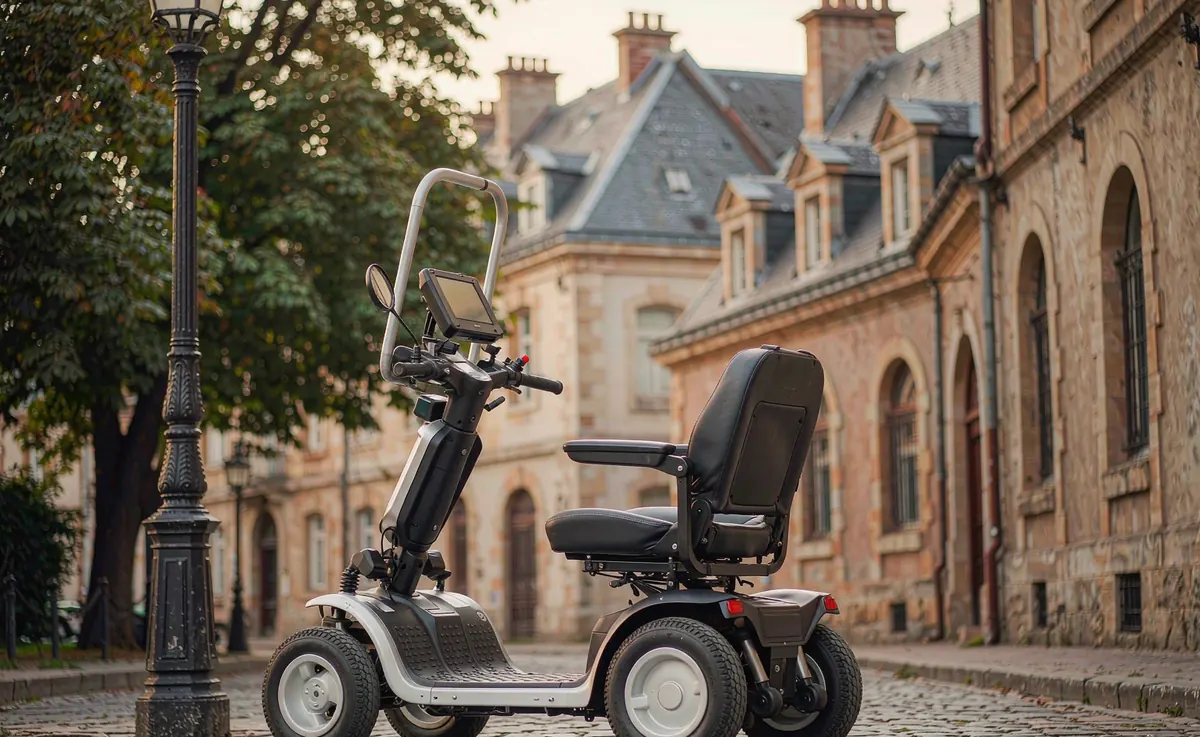
A mobility scooter is the better choice when the user can sit upright, has usable upper-body strength, and mostly needs help with outdoor distance and independence. An electric wheelchair is the better choice when the user has limited trunk control, needs postural support, or cannot operate a tiller. Choose based on the user's physical abilities first, then on where and how often the device will be used.
What is a mobility scooter?
A mobility scooter is a battery-powered device steered with a tiller (a handlebar-style column) and driven while the user sits in a seated, upright posture. It is designed for people who can sit stably, hold the tiller, and operate thumb or finger controls. Mobility scooters excel at outdoor travel, shopping trips, and covering longer distances on pavements and paths.
What is an electric wheelchair?
An electric wheelchair (powerchair) is propelled by a joystick and supports the user's full body posture with a contoured seat, backrest, and often postural accessories. It is designed for users who have limited upper-body strength, reduced trunk control, or conditions that make a tiller difficult to manage. Powerchairs are typically more maneuverable in tight indoor spaces.
Mobility scooter vs electric wheelchair: key differences
| Aspect | Mobility scooter | Electric wheelchair |
|---|---|---|
| Primary control | Tiller (both hands) | Joystick (one hand or head/breath control) |
| Postural support | Standard seated posture | Contoured, adjustable, clinical support |
| Best environment | Outdoor, pavements, longer trips | Indoor, tight spaces, complex needs |
| Transport | Many models disassemble or fold | Heavier; often vehicle-lifted |
| User requirement | Upright sitting + upper-body use | Suitable with limited strength |
Five questions to decide
- Can the user sit upright and hold a tiller? If yes, a scooter is usually simpler and more affordable.
- Is trunk control or posture a concern? If yes, a powerchair with support is safer.
- Where will it be used most? Mostly outdoors and distance → scooter. Mostly indoors and tight → powerchair.
- How will it be transported? Travel and car boot favor a portable scooter such as our versatile compact R45SE.
- What is the long-term need? Progressive conditions may eventually need a powerchair; plan accordingly.
How RUIDI models map to each need
For users who need a scooter, our range covers compact travel models, mid-size daily drivers, and high-performance units. The peak-performance R9SPRO and powerful R7SPRO suit regular outdoor use, while the stylish U3 fits lifestyle and short trips. All RUIDI mobility scooters are built by a manufacturer holding CE (EN 12184), ISO 9001 and ISO 13485, with 37 patents and export to 30+ countries.
If the user's need is closer to a powerchair, we recommend a clinical assessment and a device with postural support rather than a tiller-based scooter. You can compare our full range on the products page or read our guide to choosing a scooter for elderly parents.
Summary
Neither device is "better" in general — the right one depends on the user. Scooters maximize independence and outdoor freedom for users who can sit and steer; powerchairs provide essential support for users with greater physical limitations. Start from the user's abilities, confirm the environment, and choose a certified manufacturer you can verify.
Frequently Asked Questions
Can a mobility scooter be used indoors?
Yes, but with limits. Compact scooters work in wider indoor spaces such as shops and corridors. Tight homes are usually better served by a powerchair, which turns in a smaller radius.
Is a prescription required for an electric wheelchair?
In many markets a powerchair for medical use is supplied through clinical assessment and may be prescription-backed, because it provides postural and medical support. A mobility scooter is generally a consumer mobility aid, not a prescribed medical device.
Which is easier to transport in a car?
Mobility scooters are generally easier to transport: many disassemble into sections or fold. Powerchairs are heavier and usually need a vehicle lift or ramp.
Do both need the same certifications to sell in Europe?
Both must meet applicable EU requirements. Mobility scooters are commonly assessed against EN 12184; medical-grade devices rely on quality systems such as ISO 13485. A verified manufacturer should show the relevant certificates.
Which is better for someone with limited upper-body strength?
An electric wheelchair. Its joystick (and alternative control interfaces) suits users who cannot hold a tiller or use their arms for steering, whereas a scooter requires both.